
1-805-484-2992
Quotes - Engineering - SalesU-Tube Heat Exchangers For
304L and 316L Stainless
U-Tube Duty
These two alloys cover most of the heat exchangers built. The difference between them is molybdenum, and the thing that eventually limits both is chloride stress-corrosion cracking.
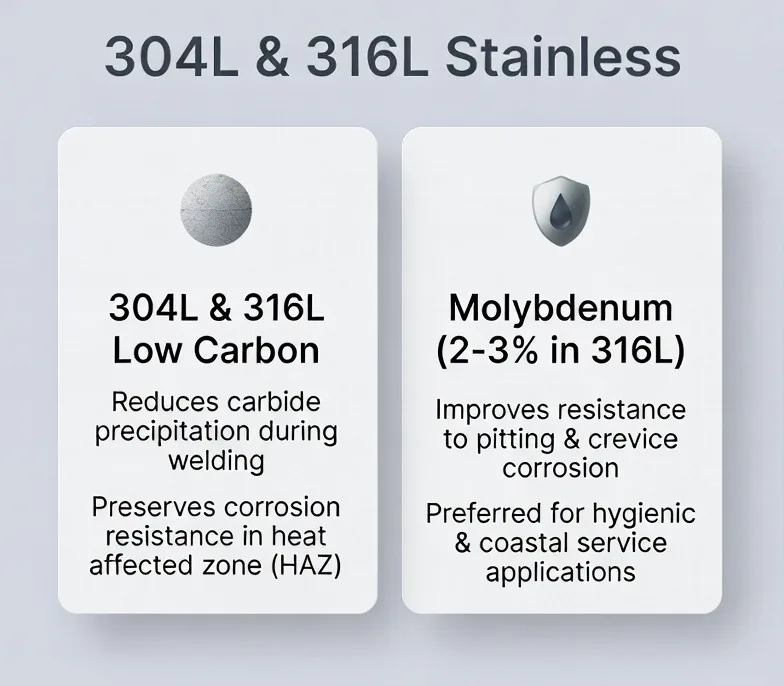
304L and 316L are austenitic stainless steels with low carbon content, which reduces carbide precipitation at grain boundaries during welding and preserves corrosion resistance in the heat-affected zone. That is what the L means and it is why exchangers use the L grades.
Molybdenum. 316L contains roughly two to three percent, which markedly improves pitting and crevice corrosion resistance in chloride environments. That single addition is why 316L dominates hygienic, marine-adjacent and coastal service.
Where 304L Is Enough. Closed loops of treated water, clean steam and condensate, and general utility duty with no chloride source are all comfortably within 304L's range, and the cost difference against 316L is real.
Where 316L earns its premium is anywhere chlorides appear: coastal cooling water, brine, food streams carrying salt, and any plant using chlorinated sanitizers. On product-contact sanitary duty 316L is effectively the default regardless.
The limit. Chloride stress-corrosion cracking needs chlorides, temperature and tensile stress together. All three are present at a U-bend, which is why the bend region is where cracking initiates. Above roughly 140 degrees Fahrenheit with meaningful chloride, austenitic stainless becomes a risk and duplex becomes the sensible conversation.
Request a Quote



304L, 316L and the Chloride Limit
Both alloys are low-carbon austenitic stainless steels, and the L grade is what preserves corrosion resistance in the weld heat-affected zone. The difference between them is molybdenum, and the thing that eventually limits both is chloride stress-corrosion cracking, which needs chlorides, temperature and tensile stress together and finds all three at a U-bend.
304L
316L
Where Both Stop
Related
MATERIALS & FINISHES • DESIGN
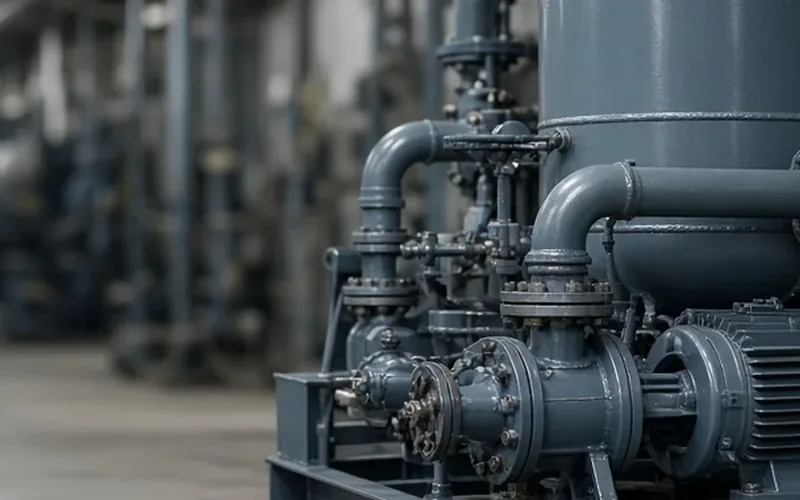
Carbon Steel
Shells, tubes, corrosion allowance and coatings.
+ Learn More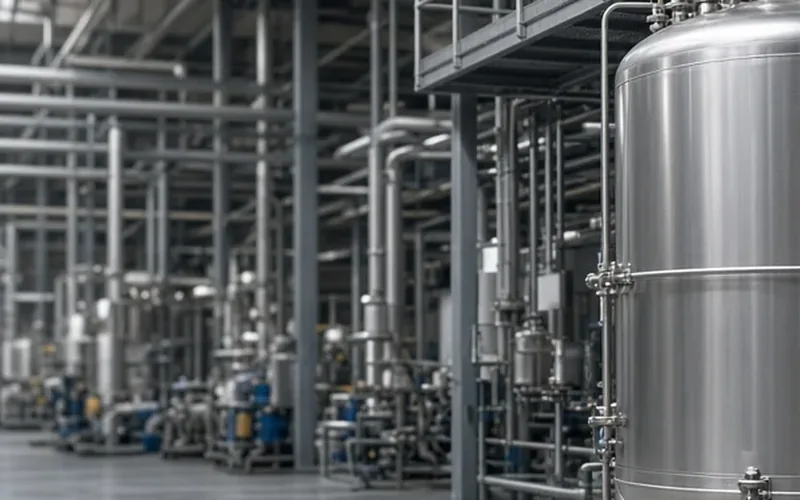
MATERIALS & FINISHES • DESIGN
Duplex & High Alloys
2205, Alloy 20, Hastelloy and how each bends.
+ Learn More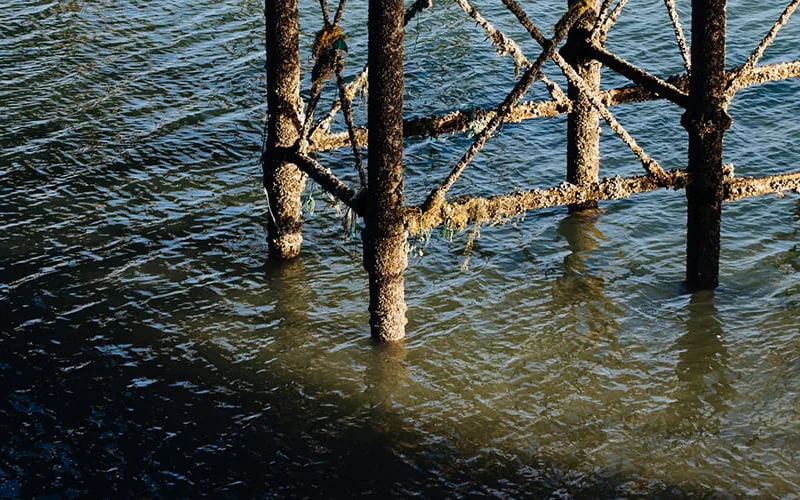
MATERIALS & FINISHES • DESIGN
Titanium & Copper-Nickel
Alloys for seawater and brine service.
+ Learn More